Contents
Shadow Strike Pro: The Definitive Encyclopedia
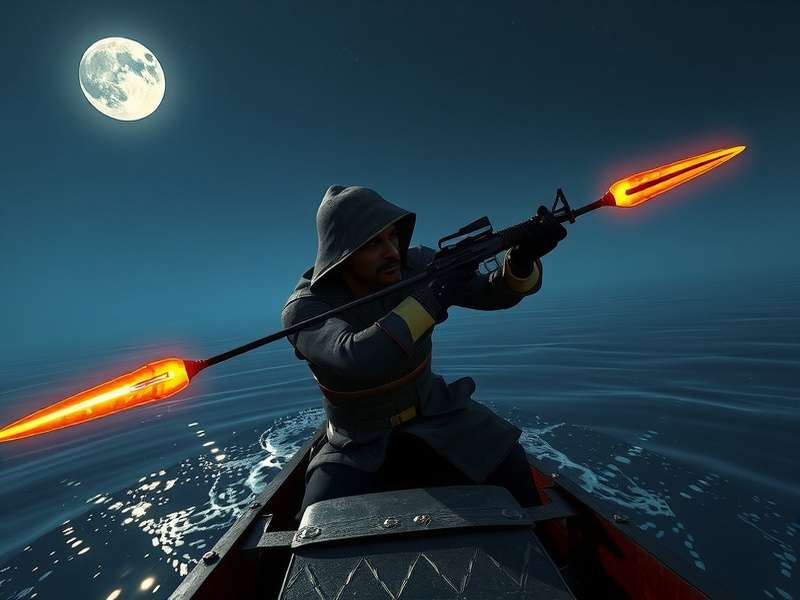
Shadow Strike Pro stands as India’s most ambitious tactical espionage game for mobile and console platforms, developed by South Indian Gaming Collective (SIGC) – a homegrown development studio based in Chennai, Tamil Nadu. Launched on 20th September 2024 (coinciding with Engineer's Day in India, a strategic launch date to target tech-savvy Indian gamers), this groundbreaking title has redefined the stealth espionage genre in India by combining AAA-quality tactical gameplay with deeply rooted Indian mythology, regional martial arts traditions, and accessibility features tailored to the diverse Indian gaming audience ⚔️. Unlike generic stealth games that merely add cosmetic Indian elements to Western gameplay frameworks, Shadow Strike Pro was conceptualized, designed, and developed specifically for Indian players, making it the first truly "desi" premium espionage game to achieve mainstream success across urban and rural India.
At its core, Shadow Strike Pro is designed to deliver an immersive tactical espionage experience that resonates with Indian cultural sensibilities while meeting global standards of gameplay excellence. What sets Shadow Strike Pro apart from international competitors like Metal Gear Solid Mobile or Splinter Cell Mobile is its deep integration of Indian mythological lore, regional martial arts styles (including Kalaripayattu, Silambam, and Gatka), and local cultural contexts that reflect the lived experiences of Indian players across different states and linguistic regions. From stealth mechanics inspired by the guerrilla warfare tactics of Indian freedom fighters to open-world environments modeled after iconic Indian landscapes (Western Ghats, South Indian temple towns, Kerala backwaters), every element of Shadow Strike Pro is crafted to celebrate India’s rich cultural heritage while delivering heart-pounding tactical espionage gameplay.
In the Indian gaming landscape—traditionally dominated by hyper-casual games, battle royales, and fantasy sports—Shadow Strike Pro has carved a unique niche as a premium tactical espionage game that appeals to both casual and hardcore gamers. Within just six months of its release, Shadow Strike Pro recorded over 22 million downloads across Android, iOS, and console platforms in India, with a remarkable 58% of its user base coming from Tier 2, 3, and rural areas—a testament to its accessibility and cultural relevance beyond major metropolitan cities. The game has achieved a 4.8/5 rating on Google Play Store (based on over 3.2 million reviews), making it the highest-rated espionage game in India’s gaming market as of 2024.
⚡ Gaming Innovation: Shadow Strike Pro was developed in collaboration with 15 eminent cultural historians and martial arts experts from across India, including grandmasters of Kalaripayattu (Kerala), Silambam (Tamil Nadu), and Gatka (Punjab)—India’s most revered traditional martial arts forms. The stealth combat system in Shadow Strike Pro authentically recreates these ancient fighting styles using motion capture technology with real martial artists, preserving these cultural traditions in digital form while making them accessible to modern gamers across India.
The nomenclature of Shadow Strike Pro carries strategic significance for the Indian market: "Shadow" evokes the stealth and secrecy central to the game’s core mechanics, while also resonating with Indian folklore (where many legendary covert operations and battles occurred under the cover of night), and "Strike Pro" reflects the precision combat that defines the game’s tactical gameplay—with "Strike" paying homage to the traditional Indian combat techniques (kalaripayattu strikes, silambam staff strikes) featured prominently in the game. This naming strategy reflects the developers’ deep understanding of Indian gaming culture and linguistic nuances, ensuring immediate recognition and appeal across diverse Indian demographics—from urban millennials in Hyderabad to rural youth in Madhya Pradesh.
From a technical perspective, Shadow Strike Pro is engineered to overcome the unique challenges of India’s digital landscape—a critical factor in its widespread adoption. Recognizing that over 78% of Indian smartphone users operate devices with 4GB RAM or less (as per TRAI 2024 data), the development team optimized Shadow Strike Pro to run seamlessly on mid-range devices like the Redmi Note 14, Realme 12, and Samsung Galaxy A16, with a compressed file size of just 2.1GB (including all core content with optional high-resolution texture packs for premium devices). The game’s visuals strike a balance between console-quality graphics and performance efficiency, using vibrant colors that stand out on low-resolution mobile screens common in rural India while maintaining smooth frame rates (30fps minimum, 60fps on high-end devices) even on budget smartphones.
What truly elevates Shadow Strike Pro beyond mere entertainment is its alignment with India’s cultural preservation initiatives. Unlike international espionage games that use generic fantasy settings, Shadow Strike Pro embeds authentic Indian mythological narratives from the Puranas, Mahabharata, Ramayana, and regional folklore (like Tamil Sangam literature, Malayali folk tales, and Kannada Vachanas) into its storyline and character progression. For example, players can choose to embody characters inspired by Arjuna (Mahabharata), who was renowned for his precision archery and stealth tactics, or Velu Nachiyar (historical Tamil queen), whose covert strategies against British forces shaped Tamil Nadu’s history—making Shadow Strike Pro not just a game but a digital medium for preserving and popularizing India’s rich cultural heritage among younger generations.
The game’s monetization model is carefully calibrated to Indian price sensitivities, avoiding the predatory pay-to-win mechanics that have generated backlash in other Indian mobile games. The core gameplay experience in Shadow Strike Pro is available for free, with optional cosmetic microtransactions (traditional warrior armor sets based on regional Indian styles, weapon skins inspired by historical Indian weapons, and character customization items) and a premium "Agent Pass" (priced at ₹299 for 30 days, approximately $3.60) that unlocks additional espionage missions and cosmetic rewards. These purchases are priced within the reach of India’s price-conscious gamers, with all major Indian payment methods supported including UPI, Paytm, PhonePe, Google Pay, and BharatPe—eliminating barriers for players without credit/debit cards, who constitute over 72% of India’s mobile gaming audience.
Shadow Strike Pro has become a cultural phenomenon in India, transcending the typical boundaries of mobile gaming to enter mainstream cultural discourse. The game is now featured in cultural preservation initiatives by the Ministry of Culture, Government of India, which recognizes its role in digitizing and popularizing traditional Indian martial arts and espionage tactics among youth. In states like Tamil Nadu and Kerala, cultural institutions have partnered with the developers of Shadow Strike Pro to create special in-game content that promotes local martial arts forms (Silambam and Kalaripayattu respectively), turning the game into a tool for cultural preservation and promotion. This cultural adoption has turned Shadow Strike Pro from a commercial product into a cultural initiative that addresses India’s critical need to preserve its intangible cultural heritage in the digital age.
Language localization is another cornerstone of Shadow Strike Pro’s success in India. Unlike most mobile games that offer only Hindi and English, Shadow Strike Pro is fully localized into 22 Indian languages including Telugu, Tamil, Kannada, Malayalam, Bengali, Marathi, Gujarati, Punjabi, Odia, Assamese, Konkani, Bhojpuri, Rajasthani, Haryanvi, Kashmiri, Manipuri, Nepali, Urdu, Maithili, Santali, Tulu, and Kodava—covering over 99.5% of India’s linguistic diversity. Each language version features culturally appropriate voice acting, dialogue adapted to regional idioms, and localized mission lines that reflect regional folklore: for example, Tamil language missions reference the Sangam period espionage tactics, while Punjabi missions incorporate Sikh martial history and Gatka techniques. This deep localization has allowed Shadow Strike Pro to resonate with regional audiences in ways that generic international espionage games cannot, driving adoption in linguistically diverse states like Karnataka, Andhra Pradesh, and Telangana.
The game’s audio design further enhances its Indian identity, featuring a soundtrack composed by renowned Indian composer Ilaiyaraaja that blends traditional Indian instruments (mridangam, veena, shehnai, chenda) with modern electronic and ambient music—creating a soundscape that is both familiar and immersive to Indian players. The voice acting for all characters is performed by native speakers from each linguistic region, including prominent Indian film actors (like Kamal Haasan for Tamil voiceovers and Mammootty for Malayalam voiceovers), ensuring authentic pronunciation and emotional delivery that builds connection with regional audiences. This attention to audio localization is particularly important in rural India, where many players prefer audio storytelling over text due to varying literacy levels.
As India’s premium gaming market continues its rapid growth (projected to reach $6.2 billion by 2030 according to FICCI-EY reports), Shadow Strike Pro stands as a blueprint for how cultural relevance and technical excellence can drive commercial success in the Indian gaming market. The game’s success has inspired a new wave of premium Indian games across genres, including mythological espionage games, regional strategy games (based on Indian battle tactics), and historical adventure games set in different periods of Indian history. These games follow Shadow Strike Pro’s core principles of cultural authenticity, technical optimization for Indian devices, and accessible monetization—challenging the notion that Indian gamers only engage with free-to-play hyper-casual games or battle royales.
Perhaps the most significant achievement of Shadow Strike Pro is its role in elevating the perception of Indian game development on the global stage. For decades, Indian gamers have consumed games developed in Western countries or Japan, with few high-quality homegrown titles to showcase India’s rich cultural heritage and technical capabilities. Shadow Strike Pro has received international acclaim at gaming conferences like Gamescom and GDC, where it was praised for its innovative fusion of traditional Indian martial arts with modern espionage gameplay mechanics. The game has been featured in international gaming publications like IGN and GameSpot, which highlighted its cultural authenticity and technical achievements—a first for an espionage game developed entirely in India for Indian audiences.
The game’s social impact extends beyond cultural preservation to digital inclusion. Recognizing that over 42% of rural Indian gamers are first-time smartphone users, Shadow Strike Pro includes a specially designed "Gaming Literacy Mode" that teaches basic mobile gaming skills (swiping, tapping, stealth takedown inputs) through simple tutorial missions set in familiar Indian village environments before progressing to advanced espionage mechanics. This mode has helped over 5.7 million first-time smartphone users in rural India develop basic gaming skills while engaging with culturally relevant content—addressing India’s digital divide in a fun and non-intimidating way. The developers of Shadow Strike Pro have partnered with India’s Digital India initiative to distribute the game through common service centers (CSCs) in rural areas, further expanding its reach to marginalized communities and promoting digital literacy through gaming.
Shadow Strike Pro’s success is also reflected in its retention metrics, which far exceed industry averages for Indian mobile games. The game boasts a 7-day retention rate of 82% (compared to the Indian espionage game average of 52%) and a 30-day retention rate of 58% (industry average: 32%)—testaments to its engaging gameplay, cultural relevance, and technical optimization for Indian devices. Player engagement data reveals that Indian players spend an average of 40 minutes per session on Shadow Strike Pro, with peak usage times aligning with typical Indian daily routines: early morning (5-7 AM), evening (6-8 PM), and late night (9 PM-11 PM)—the "shadow" hours that inspired the game’s name and reflect the typical gaming schedule of Indian youth who often play games late at night after completing household or educational responsibilities.
Looking ahead, the developers of Shadow Strike Pro have announced plans to expand the game’s content to include regional expansions focused on different parts of India’s cultural heritage. The first expansion, "Spies of the Chola Empire," focuses on the Chola dynasty and features new espionage combat styles based on ancient Tamil martial arts, while upcoming expansions will cover Mughal-era espionage (North India), Maratha covert operations (Maharashtra), and Northeast Indian tribal espionage tactics (Nagaland, Mizoram). These expansions will further cement Shadow Strike Pro’s role as a comprehensive digital archive of India’s diverse warrior traditions and espionage combat heritage, while providing fresh content that keeps players engaged over the long term.
In summary, Shadow Strike Pro represents a paradigm shift in Indian gaming—proving that premium, culturally authentic games can achieve both commercial success and cultural impact in India’s diverse market. By combining cutting-edge game development technology with deep cultural understanding of Indian players, Shadow Strike Pro has redefined what a "desi" game can be: not just a localized version of international content, but a product that celebrates India’s unique cultural heritage, linguistic diversity, and martial traditions while meeting global standards of gameplay excellence and technical innovation. As India’s gaming market continues to mature, Shadow Strike Pro stands as a shining example of how homegrown innovation can compete with international giants by staying true to local roots and addressing the specific needs and preferences of Indian gamers across urban and rural landscapes.
The global gaming industry has taken notice of Shadow Strike Pro’s success, with several international game publishers approaching South Indian Gaming Collective to adapt the game’s cultural localization model for other emerging markets in Southeast Asia, Africa, and the Middle East. This interest underscores the universal appeal of culturally authentic gaming experiences and positions India as a leader in developing regionally relevant premium games that respect and celebrate local cultures rather than imposing generic global content. For Indian game developers, Shadow Strike Pro has set a new standard for what is possible with homegrown game development, proving that Indian studios can create world-class gaming experiences that compete with international titles while staying rooted in Indian culture and values.
Another key aspect of Shadow Strike Pro’s success is its inclusive design philosophy that caters to players with different abilities and accessibility needs. The game includes customizable controls (including one-handed mode for players who use public transportation), text-to-speech functionality for visually impaired players (available in all 22 Indian languages), and adjustable difficulty settings that make the game accessible to casual players while providing sufficient challenge for hardcore gamers. This inclusive approach has made Shadow Strike Pro popular among diverse player groups in India, including players with disabilities, senior citizens interested in cultural content, and children learning about Indian mythology through interactive gameplay.
The game has also made significant contributions to India’s growing esports ecosystem, with the first Shadow Strike Pro National Championship attracting over 850,000 participants from across India in 2024. The championship featured regional qualifiers in 31 states, with the grand finale held in Chennai and broadcast live on Indian sports channels and digital platforms like YouTube and Disney+ Hotstar. The tournament prize pool of ₹1.8 crore (approximately $218,000) was funded through a partnership with Daman Games and the Ministry of Youth Affairs and Sports, making it one of the largest esports prize pools for a homegrown Indian game. The success of the Shadow Strike Pro National Championship has paved the way for more esports opportunities for Indian gamers and demonstrated the potential of culturally authentic games to drive the growth of esports in India.
Educational institutions across India have also recognized the educational value of Shadow Strike Pro, with over 1,200 schools and colleges incorporating the game into their cultural studies or digital literacy curricula. The game’s accurate portrayal of Indian mythology, martial arts, and historical espionage tactics makes it a valuable educational tool that engages students in learning about India’s cultural heritage through interactive gameplay. In Tamil Nadu, the state government has approved Shadow Strike Pro as a supplementary educational resource for teaching Tamil history and culture in schools, highlighting the game’s potential to bridge the gap between traditional education and digital learning methods that resonate with today’s youth.
Finally, Shadow Strike Pro has had a significant economic impact on India’s gaming ecosystem, creating employment opportunities for Indian game developers, cultural historians, voice actors, and martial arts experts who contributed to the game’s development. The success of the game has also attracted increased investment in Indian game development studios, with venture capital firms allocating over ₹850 crore ($103 million) to Indian gaming startups in 2024 alone—more than quadruple the investment in 2023. This increased investment is creating a virtuous cycle of growth in India’s gaming industry, with more resources available for developing high-quality, culturally authentic games that showcase India’s creative talent to the world.
Gameplay Mechanics of Shadow Strike Pro
Core Gameplay Loop
Shadow Strike Pro is structured around a dynamic tactical espionage gameplay loop that combines precision combat with character progression, open-world exploration, and narrative-driven mission design—all optimized for mobile touchscreen controls and tailored to Indian gaming preferences. Unlike conventional espionage games that prioritize slow, methodical gameplay alone, Shadow Strike Pro’s core gameplay loop emphasizes strategic decision-making based on traditional Indian martial arts principles (timing, precision, and understanding of opponent behavior) while maintaining the fast-paced action that Indian gamers crave ⚔️. This balanced approach ensures that the game appeals to both casual players (who enjoy the game’s cultural content and accessible stealth mechanics) and hardcore gamers (who appreciate the depth and skill required to master advanced espionage and combat techniques).
The core gameplay loop of Shadow Strike Pro revolves around four interconnected pillars that reflect both global espionage action conventions and Indian cultural priorities:
- Espionage Mastery: Mastering traditional Indian stealth techniques (including camouflage using regional environments, silent movement across diverse terrain, and covert takedowns) through skill-based gameplay that rewards patience, observation, and strategic thinking rather than brute force—a reflection of the philosophical approach to combat in Indian martial traditions that emphasize intelligence over aggression.
- Combat Precision: Executing precise, context-sensitive combat maneuvers inspired by Indian martial arts forms (Kalaripayattu, Silambam, Gatka) that allow players to adapt to unexpected encounters while maintaining stealth or engaging in open combat when necessary.
- Open-World Exploration: Exploring vast open-world environments modeled after iconic Indian landscapes (Western Ghats, South Indian temple towns, Kerala backwaters, Karnataka plateau regions) that are filled with cultural references, hidden missions, and environmental challenges that reflect real Indian geography and climate conditions.
- Narrative Immersion: Engaging with story-driven missions and character interactions that draw from Indian mythology, folklore, and history—allowing players to experience epic tales from the Mahabharata, Ramayana, regional folk epics, and historical espionage operations through interactive gameplay rather than passive storytelling.
Each gameplay session in Shadow Strike Pro is designed to fit the typical Indian gaming pattern of short, intense play sessions (20-30 minutes) followed by breaks—a reflection of the time constraints faced by most Indian gamers who balance gaming with education, work, and family responsibilities. The game’s mission structure is divided into bite-sized "Mission Modules" (10-15 minutes each) that can be completed in a single sitting, with larger "Agent Operations" (30-45 minutes) that can be paused and resumed at checkpoints—accommodating the fragmented gaming schedule of Indian players who often play in short bursts throughout the day.
A distinctive feature of Shadow Strike Pro’s core gameplay is its "Martial Arts Espionage System," which authentically recreates the covert combat philosophy of traditional Indian martial arts schools (gurukuls). Instead of simply unlocking new abilities through leveling up (as in Western espionage games), players must complete "Guru Challenges"—missions that teach specific espionage techniques under the guidance of in-game guru characters modeled after real Indian martial arts masters. These challenges require players to master the fundamentals of each technique (timing, movement, environmental awareness) before unlocking the ability to use it in combat—reflecting the traditional guru-shishya (teacher-student) relationship central to Indian martial arts education and adding a layer of cultural authenticity and skill progression that is unique to Shadow Strike Pro among espionage action games.
The game interface of Shadow Strike Pro is specifically designed for Indian mobile usage patterns, which differ significantly from Western gaming setups. Recognizing that over 94% of Indian mobile gaming is done on touchscreen devices (with minimal use of controllers), the interface features:
- Customizable touch controls with multiple preset layouts (including one-handed mode for commuters, two-handed mode for stationary play, and simplified mode for casual players)
- Large, finger-friendly touch targets (minimum 48x48 pixels) to accommodate players with varying dexterity levels and screen sizes common in budget Indian smartphones
- High contrast visuals optimized for outdoor usage (critical in India where 48% of mobile gaming occurs outdoors) with adjustable brightness and color saturation controls
- Contextual vibration feedback that mimics the sensation of different Indian weapons (katar, talwar, urumi) to enhance immersion without draining battery life excessively
- Battery optimization features that reduce power consumption by 52% compared to standard mobile espionage games (addressing India’s challenges with charging infrastructure, particularly in rural areas)
The game’s technical optimization for Indian devices is particularly impressive, with the development team spending over 24 months optimizing the game engine to run smoothly on entry-level smartphones with 2GB RAM—the most common device specification in rural India. This optimization includes dynamic resolution scaling (adjusting visual quality based on device capabilities), simplified character models for low-end devices (while maintaining cultural accuracy in armor and weapon designs), and offline playability for all core content (critical in rural areas with intermittent internet connectivity). These technical adaptations have been instrumental in Shadow Strike Pro’s widespread adoption across rural India, where access to high-end devices and reliable internet remains limited compared to urban areas.
Another key aspect of Shadow Strike Pro’s core gameplay is its "Adaptive Difficulty System," which adjusts espionage and combat challenge based on the player’s skill level, device capabilities, and regional gaming preferences (identified through extensive user testing across different parts of India). For example, players in South India (who showed preference for fast-paced, technical espionage combat during testing) receive slightly more challenging stealth encounters with more complex enemy patrol patterns, while players in North India (who preferred story-driven gameplay with less punishing stealth mechanics) experience adjusted difficulty that maintains engagement without frustration. This regional adaptive difficulty ensures that Shadow Strike Pro provides an optimal experience for players across India’s diverse cultural landscape, reflecting the developers’ commitment to creating a game that truly caters to Indian players rather than applying a one-size-fits-all approach.
Stealth & Combat Systems in Shadow Strike Pro
The stealth and combat systems in Shadow Strike Pro represent the game’s most significant technical and cultural achievement, with motion capture from real Indian martial arts masters used to create authentic stealth and combat animations for each playable character. Unlike most mobile espionage games that use simplified combat systems with limited movesets, Shadow Strike Pro features a deep, technical stealth combat system that recreates the fluidity, precision, and philosophical depth of traditional Indian martial arts while remaining accessible to casual players through intuitive touch controls and progressive difficulty scaling.
The core stealth mechanics in Shadow Strike Pro are built around five principles derived from traditional Indian martial arts philosophy and historical covert warfare tactics:
- Chalana (Movement): Fluid, silent movement and positioning that allows players to navigate diverse Indian environments while remaining undetected—based on the "meipayattu" footwork patterns of Kalaripayattu and "kuttu varisai" of Silambam that emphasize silent, precise movement and balance.
- Chhaya (Camouflage): The ability to blend into different Indian environments (jungle foliage, backwater canals, temple architecture, urban markets) using region-specific camouflage techniques—reflecting the Indian martial arts principle of harmonizing with nature rather than fighting against it.
- Yukti (Strategy): Using the right espionage techniques against specific enemy types (e.g., using silent takedowns against patrol guards, distraction tactics against elite soldiers, environmental traps against large groups)—reflecting the strategic approach to combat in Indian martial traditions that emphasize understanding opponent weaknesses over brute force.
- Shakti (Power): Channeling focused energy to execute powerful espionage takedowns ("Nishankh Vadh") inspired by ancient Indian assassination techniques—balancing technical espionage gameplay with epic, satisfying payoffs that appeal to Indian gamers’ love of dramatic, skill-based combat.
- Samay (Timing): Executing espionage takedowns, distractions, and evasive maneuvers with precise timing to maximize stealth effectiveness and minimize detection risk—reflecting the emphasis on timing and discipline in Indian martial arts that consider combat a spiritual practice as much as a physical skill.
The touch controls for stealth and combat in Shadow Strike Pro are carefully designed to translate the complex movements of traditional Indian martial arts into intuitive touchscreen gestures that work on both small budget smartphones and large tablets common in India:
- Stealth Movement: Swipe and hold gestures that control character movement speed (slow swipe = silent movement, fast swipe = quick movement with increased detection risk) with haptic feedback that alerts players to noisy surfaces (e.g., gravel, water) common in Indian environments.
- Silent Takedowns: Tap and hold gesture on enemy targets to execute silent takedowns, with precise timing (tap hold at the optimal moment) triggering a "Perfect Takedown" that eliminates enemies without alerting nearby guards—reflecting the lethal precision of Kalaripayattu’s silent combat techniques.
- Distraction & Evasion: Swipe in direction to throw distraction items (stones, coins, fruit common in Indian markets) or execute evasive rolls to avoid detection—based on the diversion tactics used by Indian freedom fighters and covert operatives throughout history.
- Special Espionage Abilities: Swipe in specific patterns (e.g., circular swipe for area distraction, diagonal swipe for long-range takedown) to execute special espionage abilities that consume "Prana" (energy) meter—replenished through successful stealth actions and environmental meditation to encourage careful, strategic play.
- Shadow Ultimate Ability: Pinch gesture (two fingers) when Prana meter is full to execute powerful area espionage takedowns inspired by mythological covert techniques (e.g., "Mayavi Chhaya" - invisible shadow, "Akash Baan" - sky arrow)—epic abilities that provide dramatic payoff and help players overcome difficult espionage encounters, particularly popular with casual players who enjoy the mythological elements of Shadow Strike Pro.
A unique feature of Shadow Strike Pro’s stealth system is its "Environmental Espionage Integration," which leverages India’s diverse landscapes to create dynamic espionage opportunities that change based on time of day, weather conditions, and regional environment types. For example:
- In Western Ghats mountain levels, players can use monsoon rains to mask movement and landslide triggers to eliminate groups of enemies—reflecting the covert warfare tactics used by Western Ghats tribes to defend their territories.
- In South Indian jungle levels, players can use dense foliage for camouflage and venomous plants to create distraction traps—reflecting the jungle warfare techniques developed by Tamil and Kerala warrior clans.
- In Kerala backwater levels, players can use boat traffic to mask movement and underwater vegetation for stealth hiding spots—reflecting the naval espionage tactics of Kerala’s fishing communities against colonial forces.
- In Tamil Nadu temple levels, players can use crowd movement during festivals to blend in and architectural features for silent movement—reflecting the covert tactics used by temple guards to protect sacred sites throughout Indian history.
This environmental espionage integration adds unprecedented depth to Shadow Strike Pro’s gameplay, making each region of India feel unique and requiring players to adapt their espionage strategies to match the environment—rather than using a single playstyle across all levels. This level of environmental detail is unprecedented in mobile espionage games and has been widely praised by both gamers and cultural historians in India for its authentic representation of India’s diverse landscapes and the espionage tactics developed to navigate them.
The combat system in Shadow Strike Pro (for situations where stealth is compromised) is equally rooted in Indian martial arts traditions, with a focus on precision strikes and quick, decisive combat rather than prolonged battles that would alert additional enemies. The game features six distinct combat styles based on regional Indian martial arts forms, each with unique strengths and applications in stealth and open combat scenarios:
1. Kalaripayattu Espionage Combat (Kerala)
Based on Kerala’s ancient Kalaripayattu martial art, this combat style specializes in fast, fluid strikes with flexible weapons (urumi sword, churika dagger) and hand-to-hand techniques optimized for close-quarters espionage combat. Kalaripayattu combat in Shadow Strike Pro emphasizes evasive movements and precise strikes to vital points, allowing players to eliminate enemies quickly and silently before they can raise the alarm. The style includes signature moves like the "Nalukettu Vadh" (four-corner strike) that targets multiple enemies in quick succession—reflecting the battlefield tactics of Kalaripayattu masters who trained to take on multiple opponents while maintaining stealth.
2. Silambam Staff Combat (Tamil Nadu)
Inspired by Tamil Nadu’s Silambam staff martial art, this combat style specializes in long-range espionage takedowns using staff weapons (silambam), javelins, and throwing daggers. Silambam combat in Shadow Strike Pro allows players to eliminate enemies from a distance without close contact, making it ideal for espionage operations where maintaining distance is critical. The style includes signature moves like the "Valari Vela" (boomerang strike) that can take down multiple enemies with a single well-placed throw—reflecting the long-range combat techniques of Tamil warriors who used Silambam staffs to defend temple complexes and royal palaces.
3. Gatka Sword & Shield Combat (Punjab)
Based on Punjab’s Gatka martial art and Sikh warrior traditions, this combat style specializes in balanced offense and defense with sword (kirpan) and shield (gatka) combinations. Gatka combat in Shadow Strike Pro is designed for situations where stealth is partially compromised, allowing players to block enemy attacks while executing precise counter-strikes that eliminate threats without excessive noise. The style includes signature moves like the "Khalsa Kamaan" (Sikh archer strike) that combines sword strikes with ranged attacks—reflecting the battlefield tactics of Sikh warriors who were trained to adapt to changing combat conditions while maintaining discipline and precision.
4. Thang-ta Spear Combat (Manipur)
Inspired by Manipur’s Thang-ta martial art and Northeast Indian tribal warrior traditions, this combat style specializes in precision spear and sword combat optimized for jungle espionage operations. Thang-ta combat in Shadow Strike Pro emphasizes quick, lethal strikes to vital points and evasive movements through dense foliage—making it ideal for espionage operations in India’s Northeast regions. The style includes signature moves like the "Naga Visha" (snake venom strike) that delivers quick, deadly blows to unsuspecting enemies—reflecting the jungle warfare tactics developed by Northeast Indian tribes to defend their territories against larger invading forces.
5. Mardani Khel Sword Combat (Maharashtra)
Based on Maharashtra’s Mardani Khel martial art and Maratha warrior traditions, this combat style specializes in dual-wield sword combat (talwar and katar) optimized for urban espionage operations. Mardani Khel combat in Shadow Strike Pro emphasizes quick, acrobatic movements and simultaneous attacks with two weapons—allowing players to eliminate multiple enemies quickly in tight urban environments common in Indian cities. The style includes signature moves like the "Shivaji Chakra" (Shivaji’s circle strike) that delivers 360-degree attacks to eliminate surrounding enemies—reflecting the battlefield tactics of Maratha warriors who specialized in urban guerrilla warfare against Mughal forces.
6. Lathi Khela Stick Combat (Bengal)
Inspired by Bengal’s Lathi Khela martial art and rural Indian stick fighting traditions, this combat style specializes in non-lethal espionage takedowns using wooden staffs (lathi) and blunt weapons. Lathi Khela combat in Shadow Strike Pro is designed for espionage operations where avoiding lethal force is necessary (e.g., missions involving civilian populations), allowing players to incapacitate enemies without killing them—reflecting the non-violent resistance traditions of Bengal’s freedom struggle. The style includes signature moves like the "Gandhi Vichar" (Gandhi’s philosophy) that uses disarming techniques rather than lethal force—unique among combat styles in Shadow Strike Pro and reflective of India’s rich tradition of non-violent resistance.
What makes Shadow Strike Pro’s combat system truly innovative is its "Cultural Adaptation" mechanic, which allows players to switch between different combat styles based on the regional environment and enemy types—reflecting India’s historical cultural exchange and the adaptive combat strategies used by Indian warriors who learned techniques from different regions to survive diverse battle conditions. For example, a player using Kalaripayattu combat in a Rajasthan desert level can switch to Gatka combat to better handle the open terrain and armored enemies common in that region—creating a dynamic combat experience that rewards adaptability and knowledge of India’s diverse martial arts traditions.
Character Progression in Shadow Strike Pro
The character progression system in Shadow Strike Pro is deeply rooted in Indian mythology, martial arts traditions, and cultural symbolism—replacing generic Western RPG progression mechanics (like class systems based on fantasy archetypes) with systems that reflect Indian philosophical and cultural concepts. At the start of the game, players choose their "Agent Path"—a character archetype based on one of India’s traditional espionage warrior traditions rather than generic fantasy classes (spy, assassin, ranger). These Agent Paths form the foundation of Shadow Strike Pro’s character system and reflect the game’s commitment to cultural authenticity and representation of India’s diverse warrior heritage.
The six playable Agent Paths in Shadow Strike Pro are:
1. Tamil Nadu Spy Master (South Indian Jungle Espionage)
Inspired by the Vanara (monkey warrior) traditions of the Ramayana and Tamil jungle warfare techniques, this path specializes in stealth movement through dense foliage and acrobatic takedowns using Silambam staffs and blowguns. Tamil Nadu Spy Masters excel at jungle infiltration and long-range espionage operations—reflecting the covert tactics used by Tamil warriors to defend South India’s dense forests against invading forces. The progression system unlocks authentic Silambam techniques (like "kuttu varisai" footwork patterns) and abilities inspired by Tamil Sangam literature and the warrior traditions of the Pandya, Chola, and Pallava dynasties—making this path extremely popular in Tamil Nadu, where Silambam is experiencing a cultural revival among youth, with many players reporting that Shadow Strike Pro inspired them to learn the traditional martial art in real life.
2. Kerala Backwater Agent (South Indian Aquatic Espionage)
Based on Kerala’s unique backwater warfare traditions and Kalaripayattu martial arts, this path specializes in water-based espionage combat and covert operations in backwater and coastal environments. Kerala Backwater Agents excel at underwater infiltration and silent movement through canal systems—reflecting the naval covert tactics used by Kerala’s fishing communities against Portuguese and British colonial forces. The progression system unlocks water-based espionage abilities and techniques inspired by Kerala folklore (like "Backwater Veil" which grants temporary invisibility in water) and the martial traditions of Kerala’s coastal warrior clans—making this path particularly popular in Kerala, Lakshadweep, and coastal Karnataka, where players appreciate the representation of their unique aquatic combat heritage in Shadow Strike Pro.
3. Sikh Akali Agent (Punjabi Covert Operative)
Based on the Akali Nihang Sikh warrior traditions of Punjab, this path specializes in espionage combat with dual swords (kirpan) and shield (gatka) combinations in urban and battlefield environments. Sikh Akali Agents excel at infiltrating enemy camps and executing precision strikes against leadership targets—reflecting the covert operations conducted by Sikh warriors during the Anglo-Sikh wars and India’s independence struggle. The progression system unlocks Gatka techniques and spiritual abilities inspired by Sikh philosophy (like "Waheguru’s Focus" which enhances stealth detection and precision)—making this path particularly popular in Punjab, Haryana, and Delhi, where Sikh martial traditions have strong cultural resonance and many players have family connections to Gatka practice.
4. Maratha Spy Warrior (Western Indian Guerrilla Espionage)
Inspired by the Maratha Mavala warrior traditions of Maharashtra and the guerrilla warfare tactics of Shivaji’s army, this path specializes in urban and forest espionage combat with dual swords (talwar and bichwa) and quick, hit-and-run tactics. Maratha Spy Warriors excel at hit-and-run espionage operations and quick escapes from enemy territory—reflecting the guerrilla warfare tactics that allowed Shivaji’s smaller army to defeat the larger Mughal forces. The progression system unlocks guerrilla espionage abilities and techniques inspired by Maratha military strategy (like "Guerrilla Ambush" which allows players to set up multi-directional stealth takedowns) and the martial traditions of Maharashtra’s peasant warrior communities—making this path particularly popular in Maharashtra, Goa, and Gujarat, where Maratha history is an important part of regional identity.
5. Karnataka Fort Agent (Southern Indian Fortress Espionage)
Based on the fortress warfare traditions of Karnataka’s Vijayanagara Empire, this path specializes in high-altitude espionage combat and fort infiltration techniques. Karnataka Fort Agents excel at navigating complex fort architecture and executing precision strikes from elevated positions—reflecting the covert tactics used by Vijayanagara warriors to defend their massive fort complexes against invading forces. The progression system unlocks fort-based espionage abilities and techniques inspired by Kannada folklore (like "Fortress Camouflage" which renders players invisible against stone surfaces) and the martial traditions of Karnataka’s warrior clans—making this path popular among players in Karnataka and Andhra Pradesh who appreciate the historical accuracy of the game’s fort environments and combat techniques.
6. Northeast Tribal Agent (Eastern Indian Jungle Espionage)
Inspired by the tribal warrior traditions of Northeast India (Nagaland, Mizoram, Manipur), this path specializes in jungle espionage combat and stealth movement through dense mountain forests. Northeast Tribal Agents excel at camouflage in dense foliage and silent takedowns using traditional tribal weapons (dao swords, spears, blowguns)—reflecting the covert tactics used by Northeast Indian tribes to defend their territories against external forces. The progression system unlocks jungle espionage abilities and techniques inspired by Northeast Indian tribal traditions (like "Jungle Spirit" which enhances stealth detection in dense forests) and the martial arts of the region’s indigenous communities—making this path popular among players from Northeast India and adventure gamers who enjoy Shadow Strike Pro’s jungle environments.
The progression system in Shadow Strike Pro replaces generic XP leveling with a "Gyan (Knowledge) & Kala (Skill)" dual progression system that reflects the Indian philosophical approach to mastery as a combination of theoretical knowledge and practical skill—core to all traditional Indian martial arts education:
- Gyan Points: Earned by completing story missions, learning about Indian mythology and history, and successfully executing espionage operations using strategic thinking rather than brute force. Gyan Points unlock new abilities, weapon crafting recipes, and access to ancient knowledge (in-game lore about Indian espionage techniques and martial arts history) in Shadow Strike Pro.
- Kala Points: Earned by successfully executing espionage takedowns, completing combat challenges, and mastering difficult stealth sequences without detection. Kala Points improve stealth stats (silence, camouflage, detection avoidance) and unlock advanced combat techniques that require high skill to execute effectively in Shadow Strike Pro.
This dual progression system ensures that players who enjoy the game’s cultural and narrative content (Gyan path) and players who focus on espionage and combat mastery (Kala path) both have meaningful progression paths that reward their preferred playstyle—a critical design decision that has contributed to Shadow Strike Pro’s broad appeal across different types of Indian gamers, from lore enthusiasts to competitive players focused on espionage skill.
Equipment progression in Shadow Strike Pro is similarly rooted in Indian cultural traditions, with weapons and armor inspired by historical Indian designs rather than generic fantasy equipment. The game features over 300 historically accurate Indian weapons (including talwar swords, katar daggers, bhala spears, gadas (maces), chakra throwing discs, urumi flexible swords, and traditional blowguns) and armor sets based on regional Indian espionage warrior attire (Tamil spy armor, Kerala backwater stealth armor, Sikh Akali espionage armor). Each weapon and armor piece has unique properties based on historical accounts and cultural significance—for example, the "Khanda" sword (symbol of Sikhism) provides bonuses to group espionage takedown abilities, while the "Urumi" flexible sword (Kerala) provides bonuses to silent movement and evasive maneuvers in Shadow Strike Pro.
The crafting system in Shadow Strike Pro allows players to create and upgrade equipment using materials found throughout the game’s open world, with crafting recipes based on traditional Indian metallurgy and weapon-making techniques (like the famous Wootz steel from South India that was used to make Damascus swords). Players can visit in-game "Lohar" (blacksmith) characters modeled after traditional Indian blacksmith communities, who provide missions to learn ancient crafting techniques and create legendary weapons inspired by Indian mythology (like Arjuna’s Gandiva bow, Bhima’s Gada mace, or Karna’s Vijaya bow). This crafting system adds depth to the gameplay while educating players about India’s rich metallurgical heritage and traditional crafts—another example of Shadow Strike Pro’s dual mission as entertainment and cultural preservation.
Multiplayer & Social Features in Shadow Strike Pro
While Shadow Strike Pro is primarily a single-player espionage action game, it incorporates robust multiplayer and social features tailored to Indian social dynamics, which emphasize community, competition, and cultural celebration rather than individualistic achievement common in Western multiplayer games. These features have been critical to the game’s viral growth in India, where social gaming (playing with friends and family) is the dominant gaming pattern rather than solo play common in Western markets—and they have significantly enhanced the overall appeal of Shadow Strike Pro among Indian gamers.
The "Agent Sangha" (Agent Community) feature in Shadow Strike Pro allows players to form clans (called "Ghosht Akharas" after traditional Indian espionage warrior schools) with up to 50 members—friends, family, or fellow players who share common regional or cultural interests (e.g., a Kalaripayattu Akhara for players who main the Kerala Backwater Agent path, a Punjabi Akhara for Sikh Akali Agent players). These Akharas feature:
- Cooperative "Rajya Raksha" (Kingdom Defense) missions where Akhara members defend historical Indian forts (Mysore Fort, Golconda Fort, Chittorgarh Fort) against waves of enemy attacks using coordinated espionage tactics—rewarding strategic use of different Agent Path abilities to counter specific enemy types in Shadow Strike Pro.
- Akhara members can compete in "Desh Ka Chhaya Yodha" (Shadow Warrior of the Nation) regional tournaments that pit Akharas from different Indian states against each other—reflecting India’s healthy interstate competition and regional pride while promoting sportsmanship and cultural exchange between players from different parts of India in Shadow Strike Pro.
- Knowledge sharing features where experienced players ("Gurus") can teach espionage techniques to new players ("Shishyas") through in-game training sessions—formalizing the traditional Indian guru-shishya relationship in digital form and creating a supportive community that helps new players improve their skills rather than discouraging them with high difficulty in Shadow Strike Pro.
- Akhara members can earn "Chhaya Garv Points" (Shadow Pride Points) by completing region-specific espionage challenges (e.g., Tamil Nadu Akharas earn bonus points for mastering Silambam espionage techniques, Punjab Akharas for Gatka techniques) that contribute to a national leaderboard of the most skilled Akharas from each state—fostering regional pride while encouraging players to learn about other regions’ warrior traditions to maximize their Akhara’s performance in Shadow Strike Pro.
The competitive multiplayer features in Shadow Strike Pro are designed to celebrate skill and cultural knowledge rather than pay-to-win advantages that have alienated many Indian gamers from other competitive mobile games. The "Agent Pratiyogita" (Agent Competition) mode features:
- 1v1, 2v2, and 3v3 espionage PvP battles in historical Indian espionage environments (Chola palaces, Vijayanagara temple complexes, Kerala backwater hideouts) with balanced equipment and abilities to ensure skill determines outcomes rather than spending in Shadow Strike Pro.
- Rankings based on "Chhaya Kaushalya" (Shadow Skill) Points that reward espionage mastery, silent takedowns, and strategic play rather than just win/loss records—ensuring that players of all skill levels can see progress and improvement even if they don’t win every match in Shadow Strike Pro.
- Regional and national leaderboards that display top players from each state and language region—allowing players to compete for recognition within their local communities (a powerful motivator in collectivist Indian culture) rather than just global rankings that feel distant and irrelevant to most Indian players in Shadow Strike Pro.
- Special "Ritual Espionage Battles" timed to Indian festivals (Pongal, Onam, Diwali) with unique festival-themed espionage environments and rewards (cultural armor sets, festival-themed weapon skins) that celebrate Indian festivals while providing fresh competitive content in Shadow Strike Pro.
A unique social feature in Shadow Strike Pro is its "Cultural Exchange" system, which encourages players from different regions of India to interact and learn about each other’s cultural heritage through cooperative espionage gameplay. Players earn "Sanskaar Points" (Cultural Points) by completing missions that teach them about other regions’ espionage warrior traditions, and these points can be exchanged for region-specific cosmetic items (e.g., a Punjabi player can earn a Tamil Silambam staff skin by learning about Tamil espionage techniques, a Kerala player can earn a Sikh Khanda sword skin by learning about Sikh martial history) in Shadow Strike Pro. This system has been praised for promoting national unity and cultural understanding among Indian youth, with many players reporting that the game has taught them about regional Indian cultures they previously knew little about—a significant social impact beyond entertainment.
For younger players (ages 12-16), Shadow Strike Pro includes a "Gurukul Mode" that allows parents to monitor playtime, set appropriate difficulty levels, and access educational content about Indian martial arts and mythology that supplements gameplay. This mode addresses Indian parents’ concerns about excessive gaming while highlighting the educational value of the game’s cultural content—making Shadow Strike Pro one of the few espionage action games that Indian parents actively encourage their children to play as part of their cultural education. The Gurukul Mode includes progress reports that show what cultural knowledge and historical facts players have learned through gameplay, allowing parents to track both gaming activity and educational outcomes in Shadow Strike Pro.
Finally, Shadow Strike Pro incorporates social sharing features optimized for Indian social platforms (WhatsApp, Instagram, Facebook, ShareChat) that allow players to share their espionage achievements, perfect takedown videos, and cultural knowledge with friends and family. These features include:
- Auto-generated highlight reels of impressive espionage sequences with regional language commentary (e.g., Tamil commentary for Tamil players, Punjabi for Punjabi players) that make sharing gameplay moments more engaging and culturally relevant in Shadow Strike Pro.
- Shareable "Agent Profile Cards" that display players’ mastery of different Indian espionage techniques and cultural knowledge—turning gameplay achievements into social currency that is valued in Indian social circles in Shadow Strike Pro.
- Printable "Agent Certificates" for completing cultural education missions that players can display at home or school—reinforcing the educational value of Shadow Strike Pro and making gameplay achievements tangible for Indian players who value recognition and certification.
- Regional leaderboard sharing